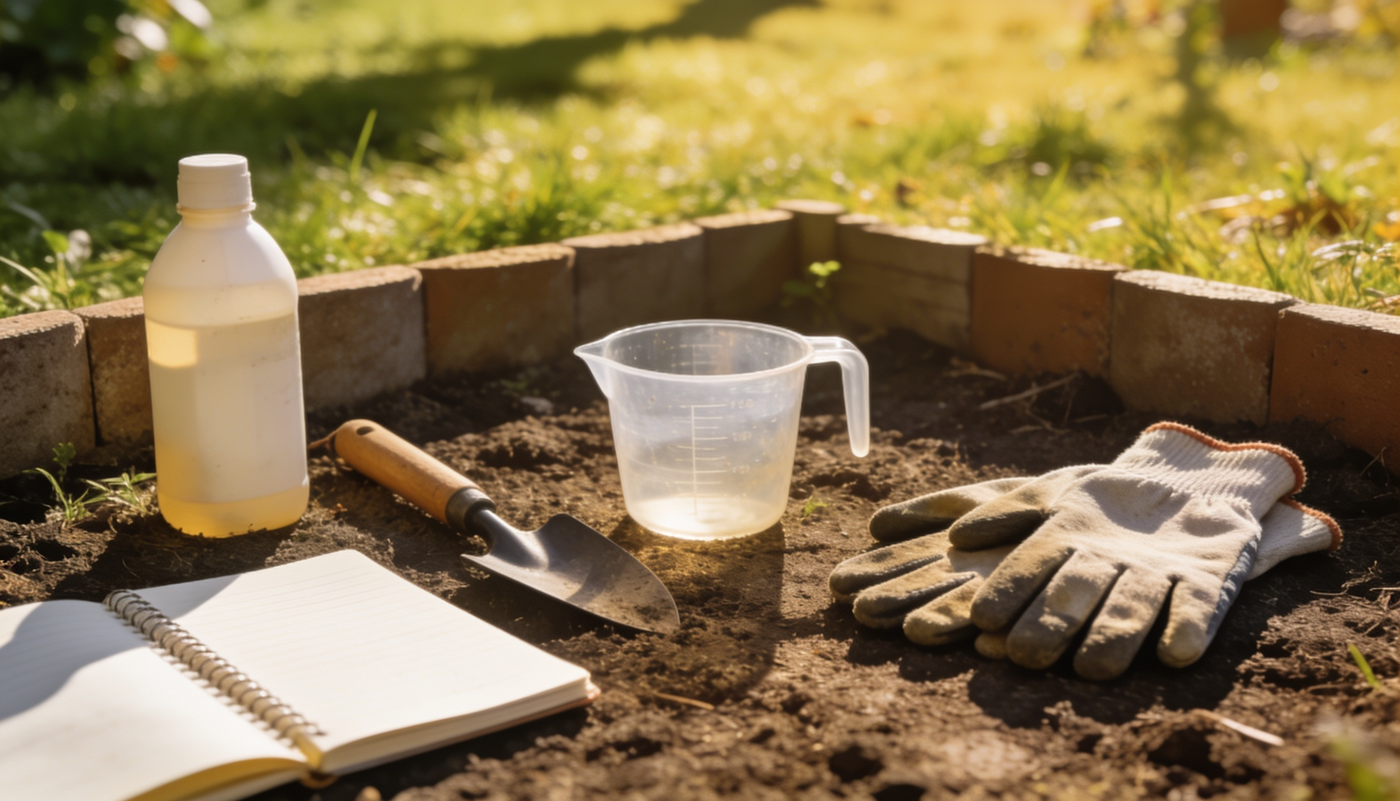
Vegetation management is an important part of maintaining outdoor spaces such as fence lines, pathways, garden boundaries, field edges, and non-crop land areas. However, the way land-care products are selected, handled, and applied makes a big difference.
Many problems happen not because of the product itself, but because of incorrect use, poor timing, unsafe storage, or applying without reading the label. Responsible land maintenance starts with planning, careful handling, and following the product instructions exactly.
Why Application Mistakes Matter
Outdoor maintenance products should never be used casually. When applied incorrectly, they may affect nearby plants, create unnecessary waste, or lead to unsafe handling situations.
Avoiding mistakes helps users:
- Protect desirable plants
- Use products only where suitable
- Reduce unnecessary repeat applications
- Maintain cleaner outdoor spaces
- Follow label directions properly
- Support safer storage and handling
A careful approach is always better than quick or excessive use.
Mistake 1: Not Reading the Product Label
The most common mistake is using a land-care product without reading the full label. The label explains where the product may be used, how it should be handled, what precautions are required, and how it should be stored or disposed of.
Before using any application-based product, check:
- Suitable application areas
- Handling instructions
- Weather guidance
- Storage directions
- Disposal instructions
- Local usage requirements
The product label should always guide the final decision.
Mistake 2: Choosing the Wrong Area
Not every outdoor area is suitable for every product. Some spaces may be close to desirable plants, garden beds, crops, water sources, or public-use areas.
Before applying any product, identify the area clearly. A fence line, pathway edge, field border, and garden boundary may all need different levels of care.
Avoid application in areas where the label does not allow use.
Mistake 3: Applying Too Close to Desirable Plants
Many land-care products are intended for directed application. This means they should only be applied to the intended area and kept away from plants that should remain.
Extra care is needed around:
- Flower beds
- Vegetable gardens
- Young plants
- Fruit plants
- Decorative borders
- Crop areas
- Lawn edges
- Tree bases
When desirable plants are nearby, consider whether manual removal, trimming, or another method may be more suitable.
Mistake 4: Applying During Windy Conditions
Wind can move product away from the intended area. This may affect nearby plants or surfaces that were not meant to be treated.
Before application, check the weather. Avoid working during windy conditions or when weather changes may affect the intended area.
A calm, suitable day supports more controlled application.
Mistake 5: Using More Than Directed
Using more product than instructed does not mean better land maintenance. Overuse can create unnecessary risk, waste product, and may affect areas that should not be treated.
Always follow the label directions. Use only the amount required for the intended area and avoid repeat use unless the label supports it.
Responsible use means using the product correctly, not excessively.
Mistake 6: Treating Every Outdoor Area the Same Way
Different areas need different maintenance methods. A large open boundary area is not the same as a garden edge near useful plants.
Before choosing a method, separate the property into zones:
- Pathway edges
- Fence lines
- Garden borders
- Field boundaries
- Non-crop spaces
- Storage areas
- Open land areas
Then choose the most suitable maintenance method for each zone.
Mistake 7: Ignoring Safety and Storage
Safe storage is part of responsible vegetation management. Products should be kept in their original containers with labels clearly visible. They should not be transferred into drink bottles, food containers, or unmarked containers.
Basic storage practices include:
- Keep containers tightly closed
- Store in a secure, dry place
- Keep away from children and pets
- Store away from food and household items
- Follow label storage instructions
- Dispose of empty containers according to local rules
Good storage habits help protect people, pets, plants, and the surrounding environment.
Mistake 8: Not Protecting Nearby Areas
Before application, check what is near the target area. Nearby plants, water sources, walkways, and outdoor surfaces may need protection.
Simple preparation can include:
- Clearing the area before application
- Covering nearby desirable plants if needed
- Keeping people and pets away
- Avoiding overspray
- Applying only to the intended space
- Checking label restrictions for nearby areas
Preparation helps reduce accidental impact.
Mistake 9: Choosing Based Only on Strong Claims
Product choice should not be based only on words like fast, strong, or high-performance. A responsible choice should be based on the product label, intended area, and suitability for the user’s maintenance goal.
Before selecting a product, ask:
- Is this product suitable for the area?
- Does the label allow this use?
- Can it be handled safely?
- Are there desirable plants nearby?
- Are local regulations being followed?
The right product is the one that fits the situation responsibly.
Mistake 10: Skipping Post-Application Review
After maintenance, it is helpful to review the treated area. This allows users to check whether the area was handled correctly and whether future care is needed.
A simple review can include:
- Checking nearby plants
- Confirming the area remains clear and safe
- Storing the product properly
- Cleaning equipment according to label directions
- Recording the date of maintenance
- Planning future care only when needed
This supports better long-term land management.
How to Build Better Land-Care Habits
Good vegetation management is not about using more product. It is about using the right method in the right place at the right time.
Better habits include:
- Inspect outdoor areas regularly
- Identify the exact maintenance area
- Read the product label fully
- Choose the right method
- Protect desirable plants
- Avoid windy conditions
- Use only as directed
- Store products securely
- Follow local regulations
- Review the area after maintenance
These steps support cleaner, safer, and more responsible outdoor maintenance.
Final Thoughts
Most land-care mistakes can be avoided with planning and careful handling. Whether maintaining fence lines, garden boundaries, pathway edges, field borders, or non-crop land areas, the safest approach is always label-based and responsible.
Before using any vegetation-management product, read the label, follow local rules, protect nearby desirable plants, and use only as directed.
Responsible land care starts with choosing carefully, applying correctly, and storing safely.